
Sterile compounding skills are the foundation of safe medication preparation in pharmacy practice. The importance of mastering sterile compounding skills cannot be overstated. When it comes to preparing medications, there is no room for error. Even the slightest contamination can have serious consequences for patients. By developing expert sterile compounding skills, pharmacy technicians can ensure that medications are prepared in a sterile and contamination-free environment, reducing the risk of infections and other complications for patients.
Understanding Sterile Compounding
In order to maintain the highest standards of patient safety, pharmacy technicians must be familiar with the regulations and guidelines surrounding sterile compounding skills. These regulations vary by jurisdiction, but they typically cover topics such as the proper handling and storage of sterile ingredients, the use of personal protective equipment, and the documentation and record-keeping requirements for sterile compounding.
Sterile compounding represents a complex specialty allowing pharmacy technicians to work in advanced roles across hospitals, infusion centers, and compounding facilities. It is essential for pharmacy technicians to stay up-to-date with these regulations and ensure compliance in their practice.
1. Equipment Proficiency in Compounding
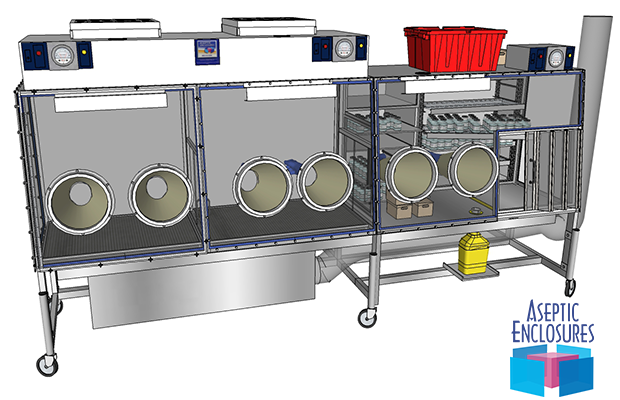
Proper equipment and supplies are crucial for developing strong sterile compounding skills. Pharmacy technicians need to be familiar with the various types of equipment used in sterile compounding, such as laminar airflow hoods, biological safety cabinets, sterile containers, and syringe filters.
They must also understand how to properly clean and disinfect this equipment to maintain a sterile environment. USP 797 establishes standards for sterile drug compounding to ensure sterility, while USP 800 addresses safe handling of hazardous drugs. Additionally, pharmacy technicians need to have a thorough understanding of the different types of supplies used in sterile compounding, including sterile gloves, gowns, and masks.
According to the United States Pharmacopeia, maintaining proper equipment standards is essential for all compounding operations.
2. Aseptic Technique: The Foundation of Sterile Compounding Skills
Aseptic technique is the cornerstone of sterile compounding skills. It involves a set of practices that minimize the risk of contamination during the compounding process. Pharmacy technicians must understand and follow aseptic techniques to ensure the integrity of sterile preparations.
This includes proper hand hygiene, the use of sterile gloves and other personal protective equipment, and the correct handling and transfer of sterile ingredients. These roles require absolute precision and strong attention to detail, as small mistakes can have devastating consequences. By mastering aseptic technique as part of their core sterile compounding skills, pharmacy technicians can minimize the risk of contamination and ensure the safety and efficacy of compounded medications.
3. Mathematical Sterile Compounding Skills: Calculations and Measurements
Accurate calculations and measurements are essential sterile compounding skills. Pharmacy technicians must be proficient in performing calculations for compounding prescriptions, such as determining the appropriate amount of ingredients needed based on the desired strength and dosage form.
They must also be skilled in accurately measuring and weighing ingredients, as even a slight miscalculation can lead to significant errors in the final product. By honing their mathematical sterile compounding skills in calculations and measurements, pharmacy technicians can ensure the accuracy and consistency of compounded medications.
Learn more about pharmaceutical calculations from the American Society of Health-System Pharmacists.
4. Documentation: Critical Sterile Compounding Skills
Documentation and record-keeping are vital sterile compounding skills. Pharmacy technicians must maintain detailed records of every step of the compounding process, including the ingredients used, the calculations performed, and the procedures followed.
This documentation serves as a legal and quality assurance requirement, providing a clear trail of accountability. Accurate and thorough documentation is not only essential for patient safety but also for regulatory compliance and quality control purposes. Strong documentation protect both patients and pharmacy professionals.
5. Quality Control and Quality Assurance in Sterile Compounding
Quality control and quality assurance are integral parts that ensure the safety and effectiveness of compounded medications. Pharmacy technicians must understand the importance of implementing quality control measures, such as regular testing of compounded preparations for sterility, potency, and stability.
They must also be familiar with quality assurance practices, including conducting regular audits and inspections of compounding processes and equipment. By prioritizing quality control and quality assurance as key sterile compounding skills, pharmacy technicians can contribute to the overall safety and efficacy of compounded medications.
6. Regulatory Knowledge
Understanding regulatory frameworks is among the most important sterile compounding skills for career success. Sterile compounding roles require in-depth knowledge of various state, federal, and non-governmental guidelines that regulate the practice, with United States Pharmacopeia (USP) regulations being particularly crucial.
Pharmacy technicians must stay current with evolving standards, including the updated USP <797> and USP <800> requirements. These regulatory sterile compounding skills ensure compliance and protect patient safety across all compounding activities.
7. Advanced Sterile Compounding Skills: Specialized Preparations
Beyond basic competencies, advanced sterile compounding skills include preparing specialized formulations such as total parenteral nutrition (TPN), chemotherapy agents, and epidural medications. Completing certification courses and earning validated training credentials proves to be a strong advantage in the job market.
These advanced sterile compounding skills require additional training in handling hazardous drugs, understanding medication stability, and performing non-sterile to sterile compounding processes. Pharmacy technicians who develop these specialized sterile compounding skills position themselves for higher-level roles and increased earning potential.
Training and Certifications
To become a skilled and confident sterile compounding technician, pharmacy technicians should seek out specialized training and certification programs focused on building comprehensive sterile compounding skills. Becoming a Certified Compounded Sterile Preparation Technician (CSPT) demonstrates a pharmacy technician’s knowledge and skill as a specialized professional.
These programs provide comprehensive education and hands-on training in compounding techniques, regulations, and best practices. By investing in their professional development and building robust sterile compounding skills, pharmacy technicians can enhance their abilities, expand their knowledge, and gain the confidence needed to excel in sterile compounding.
Certification Pathways for Sterile Compounding
Several recognized certification programs help pharmacy technicians demonstrate their skills:
- PTCB Certified Compounded Sterile Preparation Technician (CSPT): Requires completion of recognized training programs and work experience
- Board Certified Sterile Compounding Pharmacy Technician (BCSCPT): Available through the Board of Pharmacy Specialties for experienced technicians
- Institution-specific training programs: Many hospitals and health systems offer skills development
CSPs are administered via routes that cause immediate effects for patients and may contain hazardous ingredients, generally carrying higher risk than non-sterile medications.
Career Advancement
Mastering sterile compounding opens numerous career opportunities for pharmacy technicians. The average national salary for a Certified Compounded Sterile Preparation Technician is approximately $45,247 per year, with potential for higher earnings based on additional credentials and experience.
Career paths for those with advanced sterile compounding skills include:
- Hospital pharmacy sterile compounding departments
- Home infusion pharmacy services
- Compounding specialty pharmacies
- Pharmaceutical manufacturing facilities
- Clinical research organizations
- Pharmacy education and training roles
The Future of Sterile Compounding
As healthcare continues to evolve, sterile compounding skills remain in high demand. Automation and technology are enhancing traditional sterile compounding skills rather than replacing them, requiring pharmacy technicians to adapt and learn new competencies alongside foundational techniques.
Understanding how to work with automated compounding devices, gravimetric systems, and electronic documentation platforms represents the next generation of sterile compounding skills that forward-thinking pharmacy technicians should develop.
Conclusion
Mastering the complete range of sterile compounding skills is essential for pharmacy technicians who want to excel in this specialized field. By honing these sterile compounding skills, pharmacy technicians can ensure that medications are prepared in a sterile and contamination-free environment, reducing the risk of infections and other complications for patients.
Additionally, developing expert-level sterile compounding skills can lead to career advancement opportunities and increased job satisfaction. By staying up-to-date with regulations, understanding proper equipment and supplies, practicing aseptic techniques, performing accurate calculations, maintaining thorough documentation, prioritizing quality control and quality assurance, and investing in training and certification, pharmacy technicians can become truly skilled and confident in their ability to excel.
The journey to mastering sterile compounding skills requires dedication, continuous learning, and hands-on practice. Whether you’re just beginning your career or looking to advance to specialized roles, investing in your sterile compounding skills will pay dividends throughout your professional life. Start building your sterile compounding skills today and join the ranks of elite pharmacy professionals who ensure medication safety every day.

Great insights on the benefits of compounding pharmacies! It’s fascinating to see how they tailor medications to individual needs, ensuring patients receive the most effective treatments. The emphasis on personalized care really sets them apart from traditional pharmacies. Looking forward to more posts on specific success stories!