
Laboratory Microbial Control: Essential Techniques and Best Practices
Controlling microbial activity in laboratory settings is fundamental to research integrity, data accuracy, and personnel safety. This comprehensive guide explores proven strategies for preventing contamination, maintaining aseptic conditions, and implementing effective sterilization protocols.
Why Microbial Control Matters in the Laboratory
Effective microbial control protects sample integrity, prevents cross-contamination, and ensures reproducible experimental results. Without proper control measures, unwanted microorganisms can compromise research outcomes, waste valuable resources, and potentially create biosafety hazards.
Key benefits of proper microbial control:
- Prevents sample and reagent contamination
- Ensures accurate, reproducible experimental results
- Maintains compliance with Good Laboratory Practice (GLP) and Good Manufacturing Practice (GMP) standards
- Protects laboratory personnel from biological hazards
- Reduces costs associated with failed experiments and contaminated materials
Common Laboratory Microorganisms
Understanding the types of microbes present in laboratory environments helps in selecting appropriate control strategies:
Bacteria: Single-celled organisms capable of rapid reproduction. Common laboratory contaminants include E. coli, Staphylococcus, and Pseudomonas species. Bacteria thrive in diverse environments and can quickly compromise cultures and samples.
Fungi: Including molds and yeasts, fungi prefer moist conditions and can contaminate media, cultures, and equipment. Fungal contamination often appears as visible growth on surfaces or in liquid cultures.
Viruses: Microscopic infectious agents requiring host cells to replicate. While not technically living organisms, viruses pose significant contamination risks in cell culture work and genetic research.
Factors Influencing Microbial Growth
Understanding environmental conditions that promote or inhibit microbial growth enables better contamination control:
Temperature Control
Different microorganisms have optimal temperature ranges. Mesophilic bacteria thrive at 20-45°C, while psychrophilic bacteria grow in cold environments. Controlling laboratory temperature helps manage specific microbial populations.
pH Management
Microbes exhibit varying pH preferences. Some flourish in acidic conditions while others prefer alkaline environments. Adjusting pH levels in media and cultures provides selective control over microbial growth.
Nutrient Availability
Microorganisms require specific nutrients including carbon, nitrogen, and essential minerals. Managing nutrient composition and concentration in laboratory materials influences which microbes can proliferate.
Additional Factors
- Moisture levels
- Oxygen availability
- Presence of antimicrobial substances
- Exposure to UV radiation or chemicals
Essential Sterilization Methods
Sterilization eliminates all microbial life, including bacterial spores. Different methods suit different applications:
Autoclaving
The gold standard for laboratory sterilization uses high-pressure steam (typically 121°C at 15 psi) for 15-30 minutes. Autoclaving effectively sterilizes glassware, media, instruments, and heat-resistant materials. Larger volumes require extended exposure times to ensure complete heat penetration.
Filtration
Filter sterilization removes microorganisms from heat-sensitive liquids using membrane filters (typically 0.22 μm pore size). This method is ideal for culture media containing heat-labile components, protein solutions, and certain reagents.
Chemical Sterilization
Disinfectants and chemical sterilants provide alternatives when heat or filtration are unsuitable. Common agents include:
- 70% ethanol or isopropanol
- Bleach solutions (sodium hypochlorite)
- Phenolic compounds
- Hydrogen peroxide
Radiation
UV radiation and gamma irradiation provide sterilization for certain materials and surfaces, though penetration limitations must be considered.
Aseptic Technique: Maintaining Sterility
Aseptic technique prevents contamination of sterilized materials and environments. Unlike sterilization (which eliminates all microbes), aseptic technique maintains sterility during manipulations.
Core Aseptic Practices
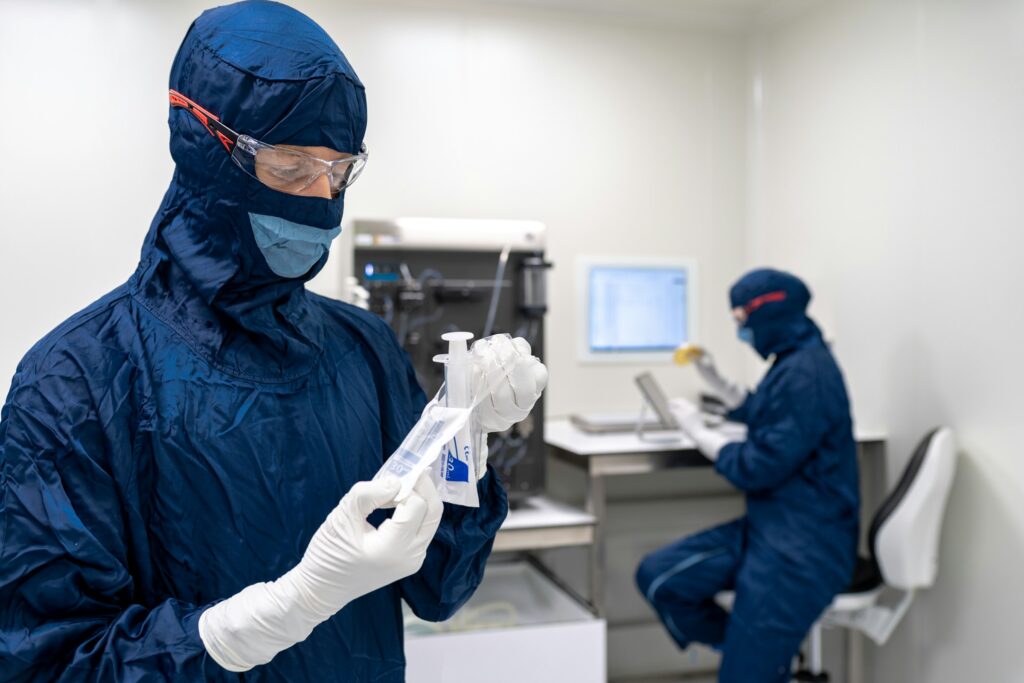
Personal Protective Equipment (PPE):
- Wear clean lab coats, gloves, and face protection
- Change gloves between samples to prevent cross-contamination
- Use dedicated lab shoes that never leave the laboratory
- Tie back long hair and avoid jewelry that may harbor microbes
Laminar Flow Hoods: Work within biological safety cabinets (BSCs) that provide HEPA-filtered air and controlled airflow. Allow hoods to run for 30 minutes before use and maintain clear zones around the work surface.
Sterile Field Management:
- Conduct all manipulations within the sterile field created by the laminar flow hood
- Flame-sterilize glass tube rims and metal instruments
- Never touch sterile surfaces with non-sterile objects
- Open sterile containers only when necessary and minimize exposure time
Proper Handling Techniques:
- Use sterile pipettes and single-use tips
- Never touch pipette tips to non-sterile surfaces
- Work with one cell line or sample at a time
- Keep tube caps in hand rather than placing them on work surfaces
Creating Contamination-Free Workflows
Strategic laboratory organization minimizes contamination risk:
Workflow Design
Implement unidirectional workflows where materials move from clean preparation areas through analysis without backtracking. Establish distinct zones for:
- Reagent preparation
- Sample processing
- Culture work
- Waste disposal
Environmental Controls
- Maintain HEPA air filtration systems
- Control humidity levels
- Restrict traffic in critical work areas
- Use antimicrobial surface treatments where appropriate
Cleaning Protocols
Develop standardized operating procedures (SOPs) for equipment cleaning and facility maintenance:
- Clean biosafety cabinets before and after each use
- Disinfect work surfaces daily with appropriate agents
- Autoclave contaminated materials before disposal
- Schedule regular deep cleaning of incubators and refrigerators
Monitoring and Detection Strategies
Early detection prevents contamination from spreading throughout the laboratory.
Testing Methods
Microbial Culture: Inoculate samples onto agar plates or into liquid media and incubate under conditions promoting microbial growth. Visual inspection reveals contamination through colony formation or turbidity.
Molecular Detection: Polymerase Chain Reaction (PCR) amplifies microbial DNA sequences, enabling identification of specific contaminants even at low concentrations. DNA sequencing provides detailed characterization of contaminating species.
Rapid Detection Systems: ATP bioluminescence assays and flow cytometry offer quick contamination assessment based on metabolic activity or cellular markers.
No Template Controls (NTCs): In molecular biology work, include NTC samples containing all reaction components except template. Any amplification in NTCs indicates contamination.
Regular Monitoring Schedule
- Test critical equipment and work areas weekly
- Monitor environmental conditions continuously
- Document all contamination incidents
- Implement corrective actions promptly
Best Practices for Contamination Prevention
Hand Hygiene
Thorough handwashing with antimicrobial soap before and after handling samples remains the single most effective contamination prevention measure. Use hand sanitizers as supplementary protection but not as a replacement for proper handwashing.
Storage and Handling
- Label all reagents and media clearly with preparation dates
- Store materials under appropriate conditions
- Use single-use disposables when possible
- Seal containers tightly to prevent airborne contamination
Training and Culture
Foster a laboratory culture prioritizing contamination prevention:
- Provide regular training on aseptic techniques
- Conduct periodic competency assessments
- Encourage reporting of near-miss incidents
- Celebrate contamination-free milestones
Documentation
Maintain detailed records of:
- Cleaning and sterilization procedures
- Contamination incidents and investigations
- Preventive maintenance schedules
- Staff training and competency evaluations
Troubleshooting Contamination Events
When contamination occurs despite preventive measures:
- Isolate affected materials immediately to prevent spread
- Document the incident including date, location, and affected materials
- Investigate the source through systematic testing and review of procedures
- Implement corrective actions based on investigation findings
- Monitor effectiveness of implemented changes
Future Trends in Microbial Control
Laboratory contamination control continues evolving with technological advances:
- Automated liquid handling systems reduce human error and cross-contamination
- Real-time monitoring systems provide continuous environmental surveillance
- Advanced antimicrobial materials for laboratory surfaces and equipment
- AI-powered detection systems identify contamination patterns early
- Improved HEPA filtration and air quality management technologies
Conclusion
Mastering microbial control in the laboratory requires comprehensive understanding of microorganisms, rigorous application of aseptic techniques, and commitment to continuous improvement. By implementing the strategies outlined in this guide—from proper sterilization methods to vigilant monitoring—laboratory professionals can maintain contamination-free environments that produce reliable, reproducible research results.
Success in microbial control ultimately depends on establishing strong standard operating procedures, providing thorough staff training, and fostering a culture where contamination prevention is everyone’s responsibility. Whether you’re setting up a new laboratory or refining existing protocols, these evidence-based practices will help ensure the integrity of your scientific work.
Need expert assistance with laboratory microbial control? Contact us to learn more about implementing comprehensive contamination prevention strategies tailored to your facility’s specific needs.


What measures can be taken to prevent microbial contaminants from building up on lab equipment?