USP 797 & USP 800 COMPLIANCE IN 2026
What Pharmacy Directors Need to Know About Sterile Compounding Equipment
If your pharmacy is still running sterile compounding operations on aging equipment—or scrambling to interpret the latest USP chapter revisions—you are not alone. Compliance deadlines have tightened, enforcement is more consistent, and the margin for error in a sterile environment has never been smaller.
The rules around sterile and hazardous drug compounding keep changing — and keeping up isn’t easy. Whether you’re running a hospital pharmacy, a compounding center, or a larger healthcare system, the pressure to meet USP 797 and USP 800 standards in 2026 is real. Regulators are paying closer attention, inspections are more rigorous, and the cost of getting it wrong — for your patients, your staff, and your accreditation — is higher than ever.
At Aseptic Enclosures, we’ve spent decades helping pharmacies like yours stay ahead of these requirements. We know the standards inside and out, and we know what inspectors are looking for. In this guide, we’ll walk you through exactly what has changed, what you need to have in place, and how the right compounding equipment can make compliance simpler — and safer — for everyone in your facility.
What Are USP 797 and USP 800—and Why Does It Matter Now?
USP Chapter <797> governs the compounding of sterile preparations, setting standards for facilities, personnel, environmental monitoring, testing, and beyond. The most recent major revision took effect in November 2023 and introduced stricter requirements around beyond-use dating (BUD), environmental monitoring frequency, and personnel training.
USP Chapter <800> addresses the safe handling of hazardous drugs—including many common chemotherapy and immunosuppressive agents. Its core requirement is containment: protecting staff from exposure during compounding and protecting the sterile product from contamination simultaneously.
These two chapters often apply to the same people, the same facility, and sometimes even the same workflow. Getting them right requires understanding both the letter of the standards and the physical infrastructure needed to meet them.
The 5 Most Common USP 797/800 Compliance Failures (And How to Fix Them)
1. Insufficient Airflow Classification in the Primary Engineering Control (PEC)
Your primary engineering control—whether an ISO 5 laminar flow hood, a compounding aseptic isolator (CAI), or a compounding aseptic containment isolator (CACI)—must demonstrate continuous ISO 5 air quality during use.
Many facilities fail this because:
- Fan/filter units are aging and no longer deliver the certified air velocity
- The equipment was never re-certified after a facility renovation
- The cleanroom lacks proper anteroom pressure differentials
The fix: Regular HEPA filter integrity testing and annual re-certification by a qualified certifier (CETA-accredited). If your CAI is more than 10 years old, the cost-benefit of replacement versus repair strongly favors new equipment.
2. Missing or Inadequate Negative Pressure Containment for Hazardous Drugs
Under USP 800, hazardous drug compounding must occur in a negative-pressure room (at least 0.01 inch water column relative to adjacent positive-pressure areas) with a minimum of 12 air changes per hour. The CACI itself must exhaust 100% of air to the outside or through an appropriate HEPA-filtered exhaust system.
This is one of the most frequently cited deficiencies during Joint Commission surveys.
The fix: A purpose-built Compounding Aseptic Containment Isolator (CACI)—also called a negative pressure isolator—provides the necessary containment and protects your compounding staff from hazardous drug exposure. Aseptic Enclosures manufactures custom CACIs designed to meet both the negative pressure and HEPA exhaust requirements of USP 800.
3. No Documented Environmental Monitoring Program
USP 797 (2023 revision) significantly expanded environmental monitoring (EM) requirements. Facilities must now conduct:
- Viable air sampling (active and passive) in ISO 5, ISO 7, and ISO 8 areas
- Surface sampling (contact plates and swabs) at defined sites
- Temperature and humidity logging with documented alert and action levels
- Differential pressure monitoring between classified areas
Pharmacies that relied on infrequent, informal monitoring are now out of compliance.
The fix: A continuous environmental monitoring system that captures particle counts, differential pressure, temperature, and humidity in real time—with data logging for audit trails. The AE Clean Room Monitor (CRM) system integrates all of these parameters into a single dashboard.
4. Personnel Training Gaps
The 2023 USP 797 revision tightened requirements for initial and ongoing competency assessments. Pharmacists and pharmacy technicians must demonstrate competency in:
- Hand hygiene and garbing
- Aseptic technique (including media-fill testing)
- Cleaning and disinfection procedures
- Equipment operation
The fix: Structured, documented cleanroom training—ideally on-site with hands-on evaluation. Aseptic Enclosures offers on-site training programs tailored to your facility’s specific equipment, layout, and personnel.
5. Facility Design That Doesn’t Support Compliance
Many older pharmacy IV rooms were designed before modern USP standards existed. They may lack a separate negative-pressure hazardous drug compounding area, a properly configured anteroom with appropriate ISO classification, or adequate HVAC capacity for required air changes.
The fix: A pharmacy planning and design consultation before any renovation or new construction. Our team has completed hundreds of USP 797/800-compliant pharmacy design projects and can help you avoid expensive design errors that only reveal themselves during the final certification inspection.
Equipment Guide: Choosing the Right Aseptic Enclosure for Your Application
Application |
Recommended Equipment |
Key Features |
| Non-hazardous sterile compounding | Compounding Aseptic Isolator (CAI) | ISO 5, positive pressure, HEPA-filtered recirculation or exhaust |
| Hazardous drug compounding | Compounding Aseptic Containment Isolator (CACI) | ISO 5, negative pressure, 100% HEPA exhaust |
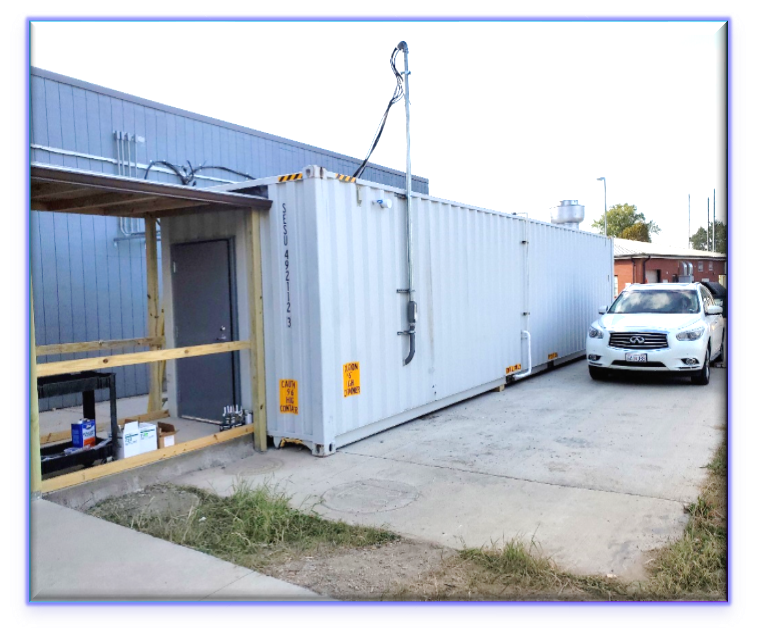
| High-volume IV admixture | Mobile Cleanroom Suite | Self-contained ISO 7/8 cleanroom with ISO 5 hood |
| Temporary or overflow capacity | Rental Isolators & Mobile Cleanrooms | USP-compliant, delivered and validated |
| Powder weighing & dispensing | Powder Hood | Containment for API and powder handling |
| Research & sterility testing | Design-Build Clean Bench or Isolator | Customized ISO 5 work environment |
Should You Rent or Buy Sterile Compounding Equipment?
This question comes up often, especially when a facility is awaiting construction completion, dealing with an unexpected equipment failure, running a temporary satellite pharmacy, or conducting a pilot program before committing to capital expenditure.
Rental makes sense when:
- You need validated, compliant equipment immediately
- The need is genuinely short-term (3–18 months)
- You want to evaluate a specific configuration before purchasing
Purchase makes sense when:
- The equipment will be in continuous production use
- You need custom dimensions or features
- Total cost of ownership over 5+ years favors buying
Aseptic Enclosures maintains a rental fleet of isolators, containment enclosures, and mobile cleanrooms that are pre-validated and available for rapid deployment.
The ROI of Compliance: Why Getting This Right Is a Business Decision
Compliance is often framed as a cost center. The numbers tell a different story. A single compounding error that results in patient harm—whether from contamination or improper hazardous drug exposure—can generate legal liability, regulatory action, and reputational damage that dwarfs the cost of compliant equipment many times over.
Beyond risk avoidance, USP 800-compliant facilities can:
- Attract and retain pharmacy staff who value a safe working environment
- Expand formulary to include more hazardous drug preparations
- Support oncology and specialty pharmacy growth programs
- Reduce pharmacy staff occupational exposure incidents and workers’ compensation claims
The question isn’t whether you can afford compliant equipment. It’s whether you can afford not to have it.
Key Takeaways
- USP 797 (2023) and USP 800 set specific, enforceable requirements for sterile compounding facility design, equipment, environmental monitoring, and personnel training.
- The most common compliance gaps involve negative pressure containment for hazardous drugs, inadequate environmental monitoring, and personnel competency documentation.
- Equipment selection should match the application: CAIs for non-hazardous compounding, CACIs for hazardous drugs, and mobile cleanrooms for scalable or temporary capacity.
- Rental programs offer a fast, compliant solution for short-term or transitional needs.
- Pharmacy planning and design expertise upfront saves significantly more money than correcting design errors after construction.
Next Steps
Aseptic Enclosures has been helping healthcare facilities achieve and maintain sterile compounding compliance for decades. Whether you need a single replacement CAI, a full IV room design-build, or on-site staff training, our team of experts — available through our network of pharmaceutical equipment specialists — is ready to help. Contact us today to discuss your facility’s specific needs and take the next step toward full USP 797 and USP 800 compliance.