Negative Pressure Isolators
Superior Protection Through Advanced Containment Technology
Negative pressure isolators are designed to help contain hazardous materials and reduce the risk of exposure during pharmaceutical compounding and handling operations. By maintaining controlled negative pressure within the enclosure, these systems support operator protection and contamination control. Aseptic Enclosures offers containment solutions tailored to specific applications, facility requirements, and operational needs.
Negative Pressure Isolators for USP 800 Applications
Our negative pressure isolator systems uniquely combine:
- Containment Segregated Compounding Area (C-SCA) functionality
- Containment Primary Engineering Control (C-PEC) requirements
- Compounding Aseptic Containment Isolator (CACI) specifications
This integrated approach can help streamline containment workflows and make efficient use of available pharmacy space. System configuration and additional containment requirements depend on the facility design and intended application.
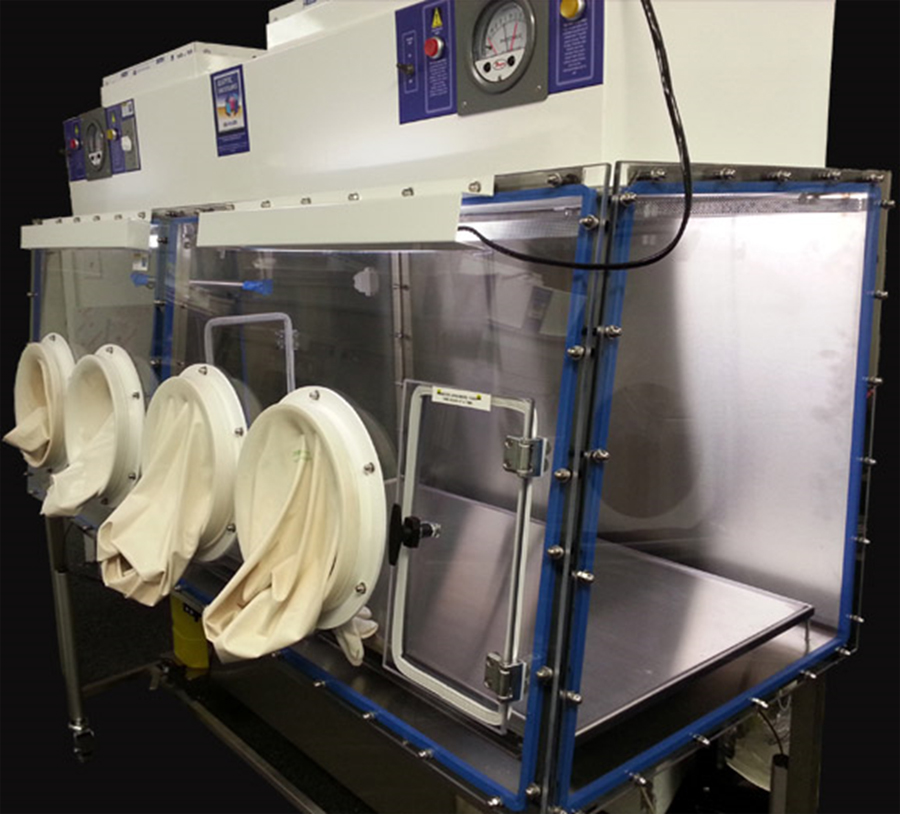
XLTC 800: Negative Pressure Containment Isolator
The XLTC 800 represents our flagship containment isolator system, featuring:
- Multi-Chamber Design: Includes negative pressure staging chamber, processing chamber, and direct compounding area
- Enhanced Protection: Materials transfer through progressive pressure zones
- Complete Isolation: Handling occurs exclusively through gloves and sleeves
- Airflow Management: Designed to support controlled airflow and help manage airborne particulate contamination within the isolator chamber.
- Integrated Storage: Optional refrigeration for temperature-sensitive medications


Regulatory Standards and Containment Considerations
Aseptic Enclosures designs negative pressure containment isolators for hazardous drug handling and aseptic compounding applications. Depending on the system configuration and intended use, relevant standards and guidance may include:
- USP 797 — Pharmaceutical Compounding: Sterile Preparations
- USP 800 — Hazardous Drugs: Handling in Healthcare Settings
- NIOSH Guidance — Occupational Exposure to Hazardous Drugs in Healthcare Settings
- CETA — Relevant Certification and Testing Guidance
Advanced Safety Features
Our pressure isolators include critical safety enhancements:
- Containment Monitoring and Alarms: Alarm and monitoring features may be incorporated based on the isolator configuration and application requirements.
- Continuous negative pressure monitoring
- HEPA filtration for both intake and exhaust
- Containment Integrity: Isolator integrity and leak testing are evaluated according to the system configuration and applicable testing requirements.
Applications for Negative Isolators
AsepticEnclosures negative pressure containment isolators are ideal for:
- Hazardous Drug Compounding: Superior protection for chemotherapy preparations
- Nuclear Pharmacy Operations: Safe handling of radioactive materials
- Specialty Pharmacy Applications: Custom containment isolator configurations
- Research Facilities: Controlled environments for sensitive materials
Customization Options
Our aseptic containment isolator systems can be tailored with:
- Automated picking chambers for robotics integration
- Extended staging areas for improved workflow
- Pass-through chambers for efficient material transfer
- Custom dimensions to fit existing infrastructure


Frequently Asked Questions
Request a Custom Negative Pressure Isolator Quote
Tell us about your containment requirements, and our team can discuss a solution for your application.